Insured Plant Health Florence Area
Understanding the Purpose of an Arborist: Key Services for Tree Vitality and Upkeep
An certified arborist is crucial for maintaining tree health and longevity. These experts utilize specialized skills to assess trees and formulate customized care plans. This encompasses pruning, detecting diseases, and controlling soil health. These specialists play a important role in promoting sustainable tree growth. Their knowledge not only improves the beauty of landscapes but also maintains ecological health. Grasping their main offerings can highlight the significant impact they have on urban and rural environments equally.
The Necessity of Arborists in Tree Maintenance
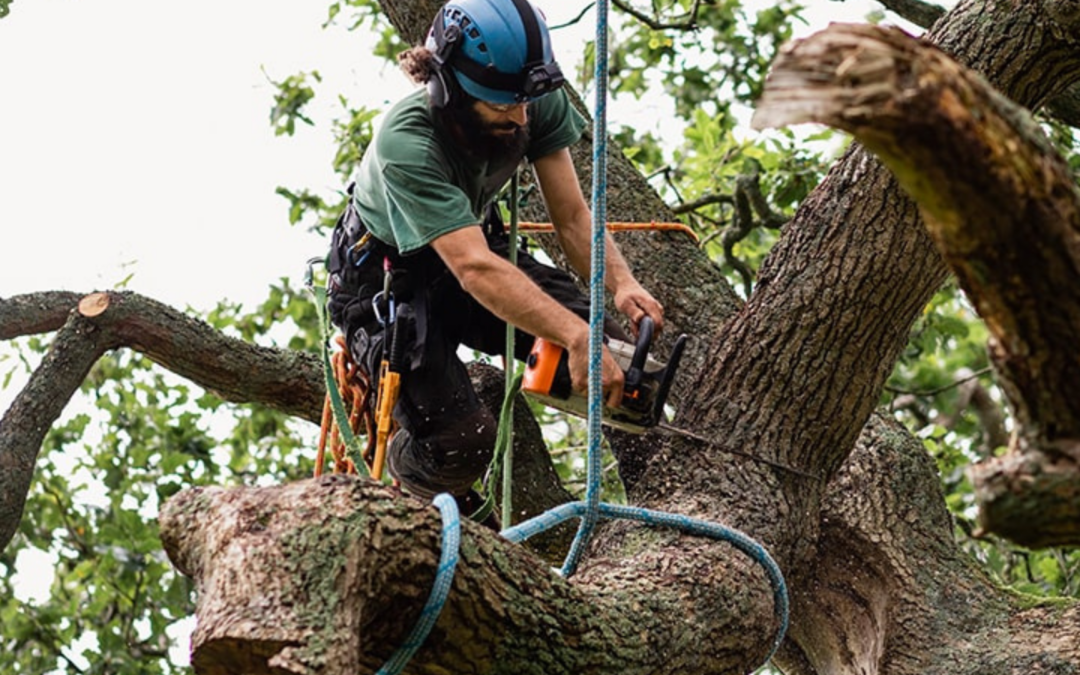
Even though many homeowners may overlook the role of arborists, their expertise is essential for preserving tree vitality and longevity. Arborists are skilled find the facts practitioners who focus on the care and management of trees. They possess in-depth expertise of tree biology, diseases, and environmental conditions affecting development. By assessing tree health, arborists can determine potential issues, ranging from pest problems to nutrient shortages.
Their offerings cover a number of essential tasks, including soil management, tree assessments, and overall maintenance strategies. Arborists also play a significant role in ensuring trees are planted in appropriate locations, factoring in elements such as sunlight, drainage, and space for growth. Their advice assists homeowners make informed choices that encourage sustainable tree development. By investing in arborist care, homeowners not only boost the beauty of their landscapes but also support the ecological health of their surroundings, ensuring trees thrive for future generations.
Crucial Tree Pruning Practices
Effective tree pruning practices are crucial for preserving healthy and robust trees. Arborists utilize various methods to enhance tree structure, encourage growth, and eliminate dead or diseased limbs. One key technique is crown reduction, which includes selectively cutting back branches to boost light penetration and air circulation. A second crucial technique is raising the crown, where the lowest boughs are removed to improve clearance and visibility. Additionally, the practice of crown trimming reduces the size of a tree’s canopy, minimizing stress while keeping its natural silhouette.
The timing is critical; pruning is typically best done during the dormant period in late winter or early spring. This reduces the loss of sap and promotes robust development. Arborists advise the use of clean, sharp instruments to ensure accurate cuts, which assists in avoiding damage to the tree. Finally, these essential practices not only improve aesthetic appeal but also substantially aid the tree's general well-being and lifespan.
How to Plant and Transplant Trees
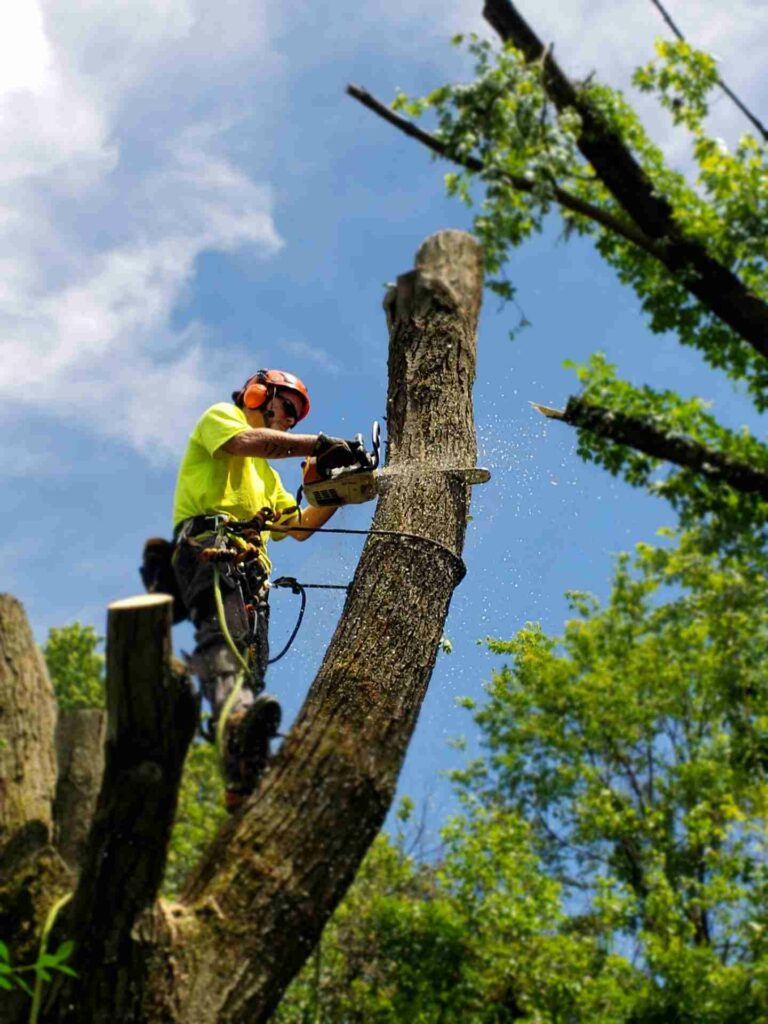
When considering the establishment of new trees, proper planting and transplanting techniques are essential for ensuring their thriving development and fitting into the surrounding area. Arborists emphasize the importance of choosing the correct type of tree for the site conditions, as well as making sure the planting pit is prepared well. The hole must be sufficiently broad to allow space for the roots, allowing for proper spreading and oxygen exchange
During the relocation process, precautions must be observed to reduce disruption to the roots, which may impede the tree's capacity to take hold in the new location. Arborists suggest relocating trees during the dormant season to minimize strain on the tree
(Florence Arborist)Following installation or moving, proper watering and mulching are necessary to facilitate the tree's establishment. Arborists also advise monitoring the tree’s growth and altering tending methods as needed to ensure a successful transition into the surrounding environment, which helps create a flourishing environment
Diagnosing Tree Diseases and Pests
How can one effectively identify the signs of tree diseases and pests? Arborists rely on an expert grasp of tree biology and site conditions to determine the cause of these ailments. Symptoms such as discolored leaves, stunted growth, or leaves falling too soon often indicate underlying problems. Additionally, the occurrence of strange protuberances, such as abnormal swellings, might suggest an illness or insect activity.
Arborists also check the outer layer for wounds, entry points, or frass, which may suggest insect activity. Analyzing the soil and surrounding environment helps identify stress factors like poor drainage or nutrient deficiencies. Familiarity with seasonal trends is crucial, because some pests become active at set times.
Tree Health Assessments and Maintenance Plans
What strategies can be implemented to keep trees ideally healthy? Arborists often begin with comprehensive tree health evaluations, which include a close inspection of the tree’s condition, including its structure, canopy, and root network. This assessment helps identify potential concerns such as pathogens, harmful insects, or external stressors. Subsequent to the assessment, a customized care plan is developed, tackling unique necessities
Typical elements of these programs involve appropriate irrigation timetables, feeding strategies, and cutting methods to optimize growth and durability - Florence Arborist. In addition, experts often advise mulching and soil management to enhance the availability of nutrients and keep the soil damp. Regular monitoring is essential, which permits modifications to the management program as conditions change. By implementing these strategies, the health and longevity of trees can be greatly improved, ensuring they thrive in their surroundings and simultaneously benefiting the entire ecosystem
The Role of Arborists in Municipal Tree Care
Arborists play an essential role in municipal tree care by caring for and keeping up the condition of trees within city landscapes. Their expertise contributes greatly to the ecological stability and aesthetic value of metropolitan regions. Tree specialists participate in planting trees, ensuring appropriate species selection based on local conditions and municipal planning necessities. They conduct regular health assessments to recognize pathogens, harmful pests, and physical defects, carrying out focused interventions to improve the trees' condition.
Furthermore, tree specialists create and implement maintenance plans that include pruning, fertilization, and irrigation, maximizing tree development and lifespan. They also educate community members regarding the value of trees and correct maintenance techniques. Through cooperation with urban developers and conservation agencies, arborists help achieve sustainable metropolitan development, promoting biodiversity and improving air quality. Their efforts are vital in creating green spaces which help both inhabitants and the ecosystem, resulting in stronger urban habitats.
Frequently Asked Questions
What is the Best Way to Find a Professional Tree Expert Close By?
In order to locate a qualified tree specialist nearby, you can look through online listings, check with local gardening centers, or reach out to tree care organizations. It is vital to verify certifications and read reviews to ensure quality service.
What Credentials Should I Seek in an Arborist?
When seeking an arborist, one should look for certifications like ISA or ASCA, appropriate background, liability protection, and a good standing through reviews. This expertise ensure professionalism and skill in arboriculture and upkeep.
Do Seasons Matter for Tree Pruning?
Pruning trees works best during late winter or the beginning of spring when trees are dormant. Yet, some species benefit from summer pruning. The schedule is based on the tree type and individual growing habits to ensure vitality and form.
What is the Typical Cost of Arborist Services Typically Cost?
Tree care services generally range between $300 and $1,500, influenced by things like tree size, location, and the difficulty of the job - Florence Arborist. The rates often differ greatly based on local market needs and service provider experience
Can I Perform Tree Care Without Professional Help?
Certainly, people are able to handle basic tree care without professional help, such as watering and mulching. However, for difficult jobs, like pruning or diagnosing diseases, consulting a certified arborist is recommended to guarantee tree health.